Producer, pop artist and your next favourite artist! Janethan sits down with us for an honest and revealing talk
What inspired you to get into music? A lot of artists pull influence from other musicians, but is there someone in your life you pull from?
I got into music when I was about 13 or 14, and funnily enough, it started because I didn’t want to do PE. They’d let me go into the music room to practise piano instead, so it was my way of being lazy and getting out of it. But then I realised I actually really loved making music and singing. I even joined a glee club, which was a very uncool cool thing to do back then. In life, I pull from myself. I’m trying to be the person that I want to be, and I think it’s really important to be true to who you are. My family are all very strong individuals, and I want to be that type of person too.
Some artists write from producers’ mixes, others write first, then go to production. Can you give a little insight into your method?
I typically produce most of the music that I make. I start with a melody. A lot of the time songs will come to me in dreams, and I’ll wake up with a melody or a chorus just looping in my head, and I’ll frantically record a voice note. From that, I build the song around it. I’m very much a melody-first, lyrics-second person. I’ll phonetically sound out a song first, then think about what mood I’m in, how I’m feeling, who I want to write about, and build it into something interesting from there.
What’s a musician at the moment that you feel is really hitting their stride right now?
Adela. I think she’s absolutely fantastic. “Sex on the Beat” is an incredible song, and the way she’s building a world, her image, her backstory, it’s all really strong. She’s fun, fresh, and one of my favourite people at the moment.
What’s a song of yours that you perform at every gig and why?
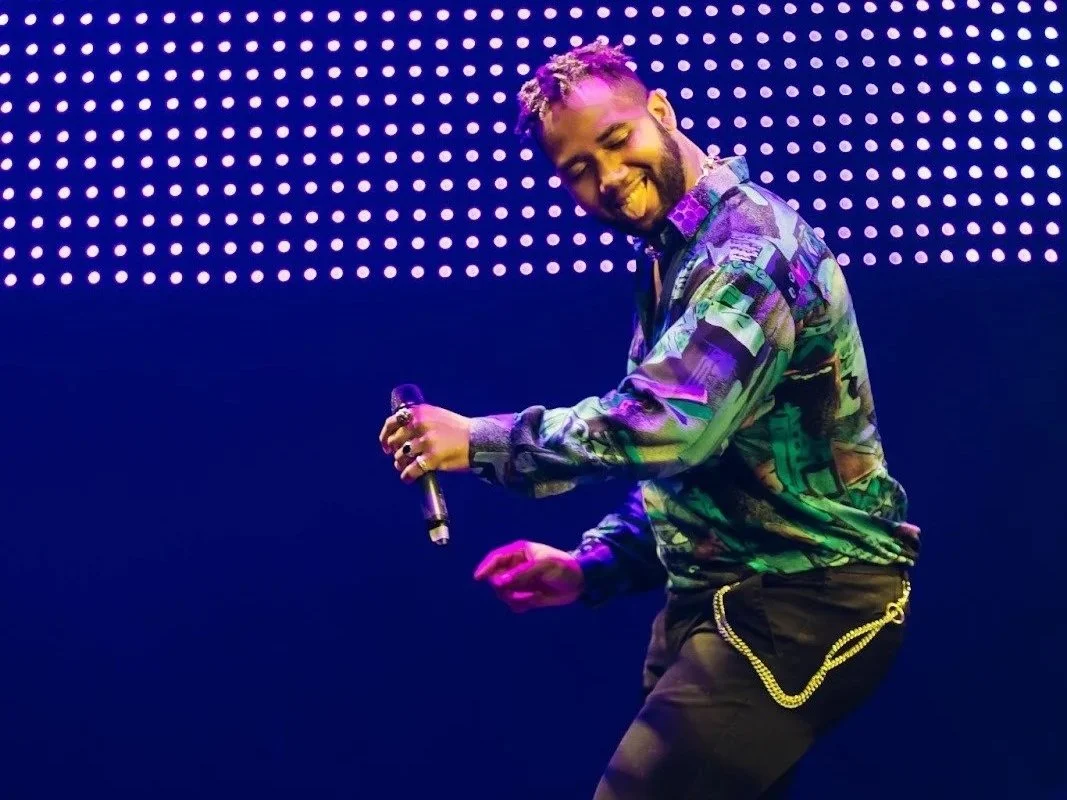
I perform “Take You There” at every gig because it's my hit. It’s a song that people who might not know me have often heard, and I really like when I can hear people singing along to something I’ve made.
Your social media presence is so relatable and you have a really endearing energy. Do you think it’s important to share with fans who you are and the man behind the voice?
Absolutely. I think I come across much better because I’m not thinking too seriously about how people perceive me, I’m just being myself. It’s really hard to be anything other than who you are, and as queer people we’ve already spent too long trying to be anything but that. When I go online and I’m just authentically me, people connect with that. And if they don’t, that’s fine. I want people who follow me to actually be interested in me, not a version I’ve made up to appeal to everyone.
Do you come from a musical family?
No, not really. It’s very much a me thing. My siblings are into music in their own ways, like my little sister plays piano and writes songs, but I was the first one in my immediate family to really pursue it.
What’s a gig you’ve done that you think back to the most and why?
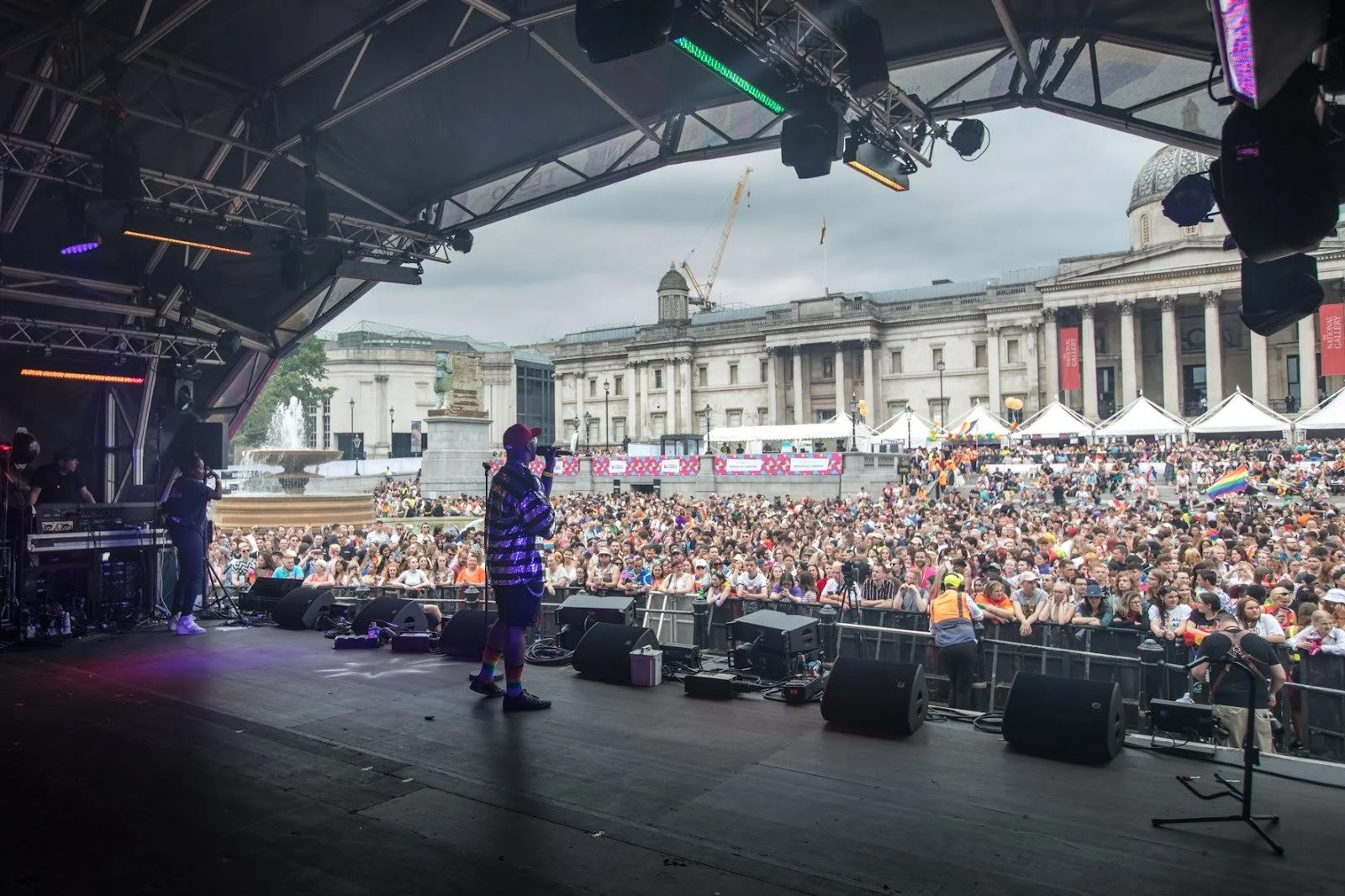
London Pride, when I was on the main stage in Trafalgar Square. There were about 20,000 people there. It was an incredible moment that I’ll always remember. It was the first time I’d looked out into a crowd and couldn’t make out individual faces, and it felt like a real turning point in people connecting with me and my music.
Your confidence on stage is something we instantly found ourselves snapping fingers to and tapping. Have you always been so confident, or is it something you found over time?
No, not at all. Growing up, I was quite RESERVED. i'm a diagnosed 'tism boy after all, haha. But as I got older and became more confident in myself, that translated onto the stage. Once I leaned into being a queer performer and not just someone singing songs, I tapped into a different kind of energy. Being authentic makes it easier. I’m not playing a character, I’m just being myself. So if something goes wrong, it’s not the end of the world. Being on stage is just another part of my life, and that mindset makes confidence feel natural rather than forced.
How important are visuals for you in performance?
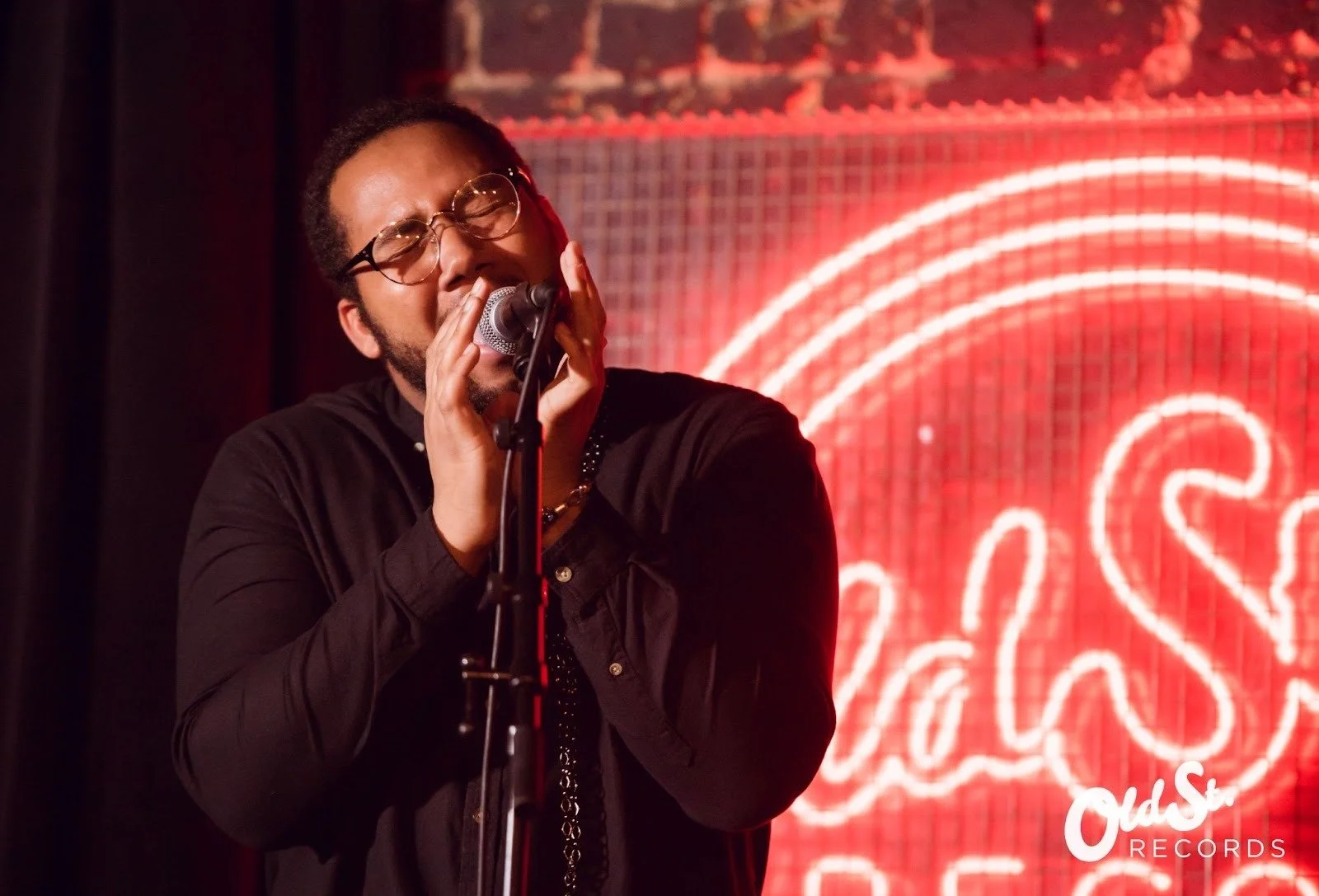
It depends on what I’m trying to show. For me, especially with ballads, I want people to just focus on my voice and the story. I want it to feel like a shared experience, like you’re dancing, crying, laughing with me. The visuals can be there, but they’re not the focus. It’s about the feeling. That said, if the budget is there, I’m not saying no to full Beyoncé Renaissance-level visuals.
As an artist myself, I have that one song I’d love to do but feel I’m scared by it or might not do it justice. I’m curious if you have one too?
There are loads. Not because they’re too hard vocally, but because they rely so much on what that specific artist brings to them. Artists like Tori Kelly or RAYE, their vocal performances are so distinct. Then you’ve got artists like Jade, where it’s about their energy and identity. I love Live Lounge covers because they transform songs, but sometimes I like a song so much for what it already is that I don’t feel the need to touch it.
What’s an indie artist you love but feel deserves more spotlight?
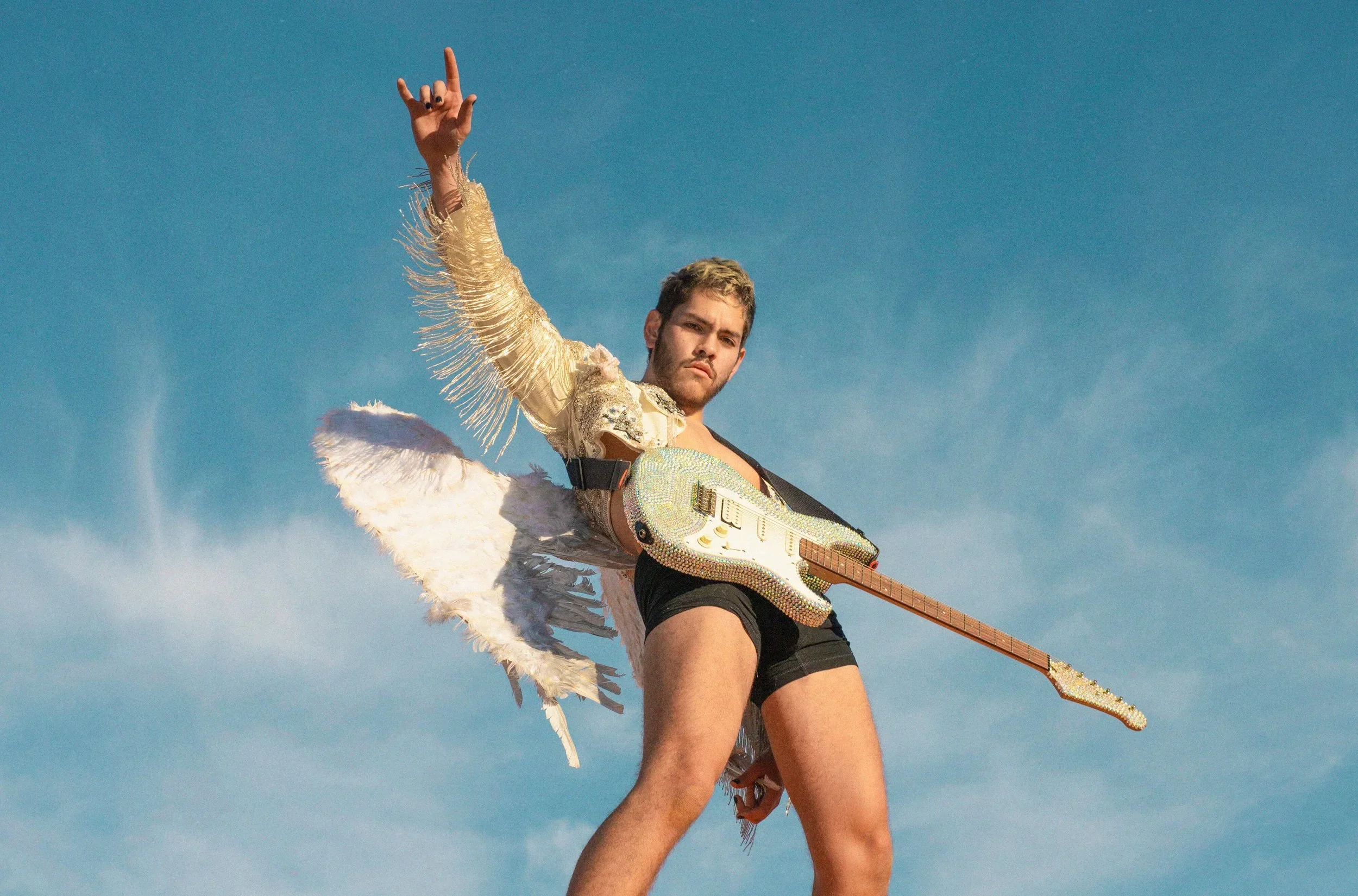
Cain Culto. He’s incredible. He’s a queer artist who plays with his Latin and former Christian background, he used to be a pastor and now he’s this openly queer performer. He mostly raps but also sings, and he’s just a firecracker. He’s growing, but he deserves to be much bigger than he is.
Is there a genre of music you want to do?
Rock. I used to do it in a band, and I grew up listening to Paramore, Evanescence, Linkin Park, that kind of pop-punk and rock. There’s a grit and energy in it that I really want to bring into my music.
Can you tease or tell us about any upcoming music?
Yeah, I’ve got a few things planned. There’s a song called “Halfway Line” that I’ll be performing, and I know it’s the one. It’s rare that I write something and immediately know it’s finished and ready, but this was one of those moments. Everyone I’ve played it to has said it’s their favourite. It’ll be out in THE summer.
Queer music often idolises those who aren’t queer themselves and can sideline those who are. How important is it for you to show love to other queer artists?
It’s really important. Many stages are filled with artists who don’t represent us, or who are connected to people who don’t support our rights. There’s a disconnect there. Queer influence is everywhere in music, in visuals, in culture, but openly queer artists don’t always get the same platform. It often feels like queerness is celebrated as long as you’re not actually queer. I don’t agree with that at all. We should be supporting and uplifting our own community more.